Why FITAID Always Discloses Where Its Caffeine Comes From
Caffeine is one of the most common ingredients in energy drinks—and one of the least clearly explained.
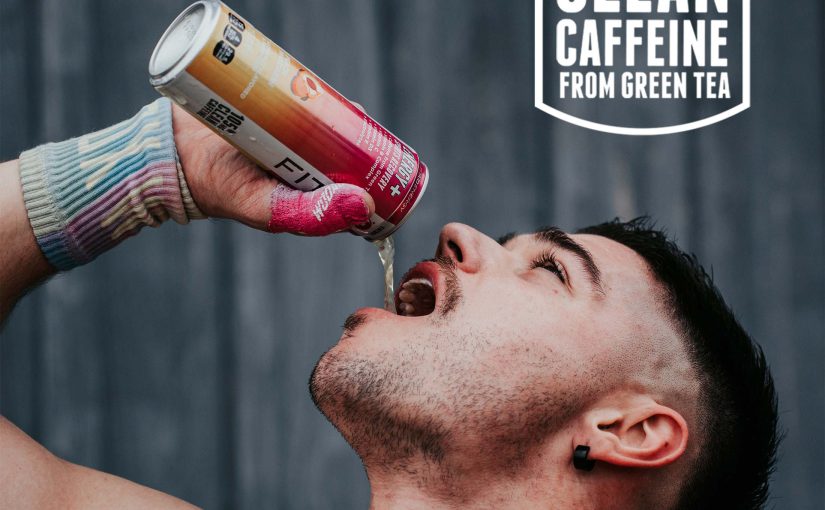
At FITAID®, we believe energy should never be a guessing game. You deserve to know how much caffeine you’re consuming and exactly where it comes from. That’s why FITAID sources caffeine exclusively from green tea and yerba mate and clearly discloses every milligram on the label.
No vague blends. No unnamed extracts. No hidden stimulants.
Just fully disclosed, plant-based caffeine by design.
Let’s Talk Caffeine—No Fine Print
Caffeine shows up on millions of labels, but transparency doesn’t always follow.
At FITAID, our approach is simple:
You should know exactly how much caffeine you’re getting
You should know the source of that caffeine
And caffeine should be chosen intentionally—not for convenience
That’s why every FITAID label clearly states both the amount and the botanical source of caffeine used in the product.
If it gives you energy, it should come with answers.
Our Caffeine Sources—By Design
FITAID formulates each energy product with specific plant sources to match its intended use. No one-size-fits-all stimulation.
Green Tea–Derived Caffeine
FITAID Zero Sugar Energy | 200 mg caffeine
FITAID Zero Sugar Energy uses caffeine sourced from green tea, a botanical ingredient that has been consumed globally for centuries.
Why green tea:
Naturally occurring caffeine from a recognizable plant source
Widely used in modern beverage formulation
Clearly identified and disclosed on the label
200 mg caffeine. Green tea sourced. Fully disclosed.
Green Tea + Yerba Mate
FOCUSAID® | 100 mg caffeine
FOCUSAID® pairs caffeine from green tea and yerba mate to deliver a more moderate caffeine level, designed for focus-oriented use.
Why this combination:
Plant-based caffeine from two traditional botanical sources
Balanced formulation with a lower total caffeine amount
Designed with intentional use in mind
No synthetic stimulants
100 mg caffeine. Two plant sources. Purpose-driven formulation.
No Hidden Caffeine. Ever.
Many energy drinks list caffeine under vague terms like:
“Proprietary blend”
“Energy matrix”
“Stimulant complex”
These labels can make it difficult to understand how much caffeine you’re consuming or where it comes from.
FITAID doesn’t use proprietary stimulant blends.
Every milligram of caffeine is accounted for. If it’s in the can, it’s on the label.
Transparency isn’t optional. It’s the standard.
Plant-Based vs. Synthetic Caffeine: Why Source Matters
Caffeine is chemically the same regardless of origin—but how it’s sourced and disclosed differs.
Synthetic caffeine is often:
Manufactured through industrial processes
Added as an isolated compound
Listed without source disclosure
Plant-based caffeine:
Comes from identifiable botanical sources
Is extracted from plants like green tea and yerba mate
Is typically disclosed by source on the label
FITAID chooses plant-based caffeine because it meets our standards for traceability, familiarity, and transparent formulation.
Real plants. Real sourcing. No mystery stimulants.
Energy That Feels Intentional
With FITAID, you get:
Clearly labeled caffeine amounts
Plant-based sources you recognize
Energy formulated with purpose—not excess
A product built around disclosure and trust
What you won’t get:
Synthetic caffeine
Hidden stimulant blends
Undisclosed extracts
Surprise caffeine stacking
Know your source. Know your dose. Choose intentionally.
Why Transparent, Plant-Based Caffeine Matters
U.S. Food & Drug Administration (FDA) Caffeine should be clearly labeled so consumers can make informed decisions about intake. Source: FDA Caffeine Guidance
Harvard T.H. Chan School of Public Health Consumers increasingly seek clarity around caffeine sources and amounts as part of broader ingredient transparency expectations. Source: Harvard Nutrition Source
Mintel – Energy & Beverage Trends Transparency around caffeine content and sourcing is a growing priority among energy drink consumers. Source: Mintel Food & Drink Trends
Aaron Hinde, Co-Founder & President, FITAID
“Caffeine shouldn’t be a guessing game. We source ours from real plants, disclose every milligram, and design energy that feels intentional—not overwhelming.”
By using **plant-based caffeine from green tea and yerba mate—and clearly disclosing every milligram—**FITAID delivers energy you can understand, trace, and choose with confidence.
Real energy. Fully disclosed. No guessing required.
If you’ve ever looked at an energy drink label and wondered where the caffeine actually comes from, you’re not alone.
Many products list caffeine without identifying its source—or include it within vague “energy blends.” Here’s why that happens, and how FITAID takes a different approach.
What Is an “Energy Blend”?
An energy blend is a proprietary mixture of ingredients that allows brands to group stimulants together without disclosing exact amounts or sources.
While permitted under labeling regulations, energy blends can make it difficult for consumers to understand:
How much caffeine is present
Where the caffeine comes from
How different ingredients interact
Why Some Brands Avoid Disclosure
There are a few reasons caffeine sources may not be listed:
Synthetic caffeine does not require source identification
Caffeine is one of the most widely consumed ingredients in the world. But not all caffeine comes from the same place.
While the caffeine molecule itself is chemically identical, the source of caffeine matters to many consumers, especially as ingredient transparency becomes a priority in food and beverage choices.
Here’s what to know about plant-based caffeine vs. synthetic caffeine—and why FITAID chooses botanical sources.
What Is Synthetic Caffeine?
Synthetic caffeine is manufactured through an industrial process and typically appears as a white, crystalline powder. It is widely used in sodas, energy drinks, and supplements due to its consistency and low cost.
On ingredient labels, synthetic caffeine is often listed simply as:
“Caffeine”
Or included within an “energy blend”
In many cases, the source of the caffeine is not disclosed.
What Is Plant-Based Caffeine?
Plant-based caffeine is extracted directly from botanical sources, such as:
Green tea leaves
Yerba mate leaves
Coffee fruit
In addition to caffeine, these plants naturally contain other compounds, including polyphenols and amino acids.
While the caffeine molecule is the same, plant-based caffeine comes from a clearly identifiable source, which many consumers prefer.
Why FITAID Uses Plant-Based Caffeine
FITAID uses caffeine sourced from green tea and yerba mate, not synthetic caffeine.
This decision is based on:
Ingredient transparency
Botanical sourcing
Clear labeling of caffeine origin
Rather than relying on undisclosed blends, FITAID lists the caffeine source directly on the label.
The Takeaway
Caffeine is caffeine, but where it comes from matters to people who care about sourcing and transparency.
Plant-based caffeine offers:
Identifiable origin
Botanical sourcing
Clear disclosure
That’s why FITAID chooses caffeine from plants, not a lab.
Plant-based caffeine is caffeine that is naturally sourced from plants, such as green tea leaves or yerba mate, rather than synthesized in an industrial process. The caffeine molecule itself is the same, but plant sources naturally contain additional compounds like polyphenols and amino acids.
Is plant-based caffeine different from synthetic caffeine?
Chemically, caffeine is caffeine. The difference lies in the source and surrounding compounds. Plant-based caffeine is delivered alongside naturally occurring components found in the plant, while synthetic caffeine is isolated and produced as a single compound.
Does FITAID use plant-based caffeine?
Yes. FITAID uses caffeine sourced from green tea and yerba mate. FITAID does not use synthetic caffeine in its formulations and clearly discloses caffeine sources on its labels.
Is plant-based caffeine considered safer than synthetic caffeine?
Safety depends on total caffeine intake and individual sensitivity. Both plant-based and synthetic caffeine are permitted for use in foods and beverages. Many consumers prefer plant-based caffeine due to ingredient transparency and sourcing, rather than safety differences alone.
Why do some people prefer plant-based caffeine?
Consumers often choose plant-based caffeine because:
The source is clearly identified
It aligns with a preference for plant-derived ingredients
It avoids “energy blends” that do not disclose caffeine origin
How much caffeine is in FITAID drinks?
Caffeine content varies by product and is clearly listed on the label. For example:
FITAID Zero Sugar Energy: 200 mg caffeine from green tea
FOCUSAID: 100 mg caffeine from green tea and yerba mate
Synthetic vs. Botanical Caffeine
What’s the Difference?
Feature
Synthetic Caffeine
Botanical (Plant-Based) Caffeine
Source
Industrially synthesized
Extracted from plants
Common Sources
Lab-produced caffeine powder
Green tea, yerba mate
Label Transparency
Often listed as “caffeine” or in blends
Source typically specified
Accompanying Compounds
None
Naturally occurring plant compounds
Consumer Preference Trend
Declining
Growing
FITAID Usage
❌ No
✅ Yes
Regulatory Status
FDA-permitted
FDA-permitted
Note: Both forms are chemically caffeine; differences relate to sourcing and formulation.
We believe that what sweetens a drink matters just as much as what fuels it. That’s why every FITAID product is made without artificial sweeteners like aspartame, sucralose, or acesulfame potassium (Ace-K). Instead, we rely on thoughtfully sourced, naturally derived sweeteners—including organic agave, monk fruit, and stevia.
This isn’t about trends. It’s about standards.
Our sweetener promise:
No aspartame
No sucralose
No Ace-K
Naturally sweetened, always
Let’s Talk Sweeteners—Plain and Simple
Sweeteners do more than add flavor. They shape how a beverage tastes, how it feels, and whether you want to come back for another sip.
At FITAID, we believe:
Sweetness should taste clean
Ingredients should be recognizable
Formulas should be intentional, not over-engineered
That philosophy guides every formulation decision we make—and it’s why you’ll never find artificial sweeteners in our drinks.
Sweet should feel good—not complicated.
The Sweeteners We Stand Behind
Organic Agave (For Sugar-Sweetened Drinks)
Our sugar-sweetened FITAID blends use organic agave nectar, a plant-based sweetener derived from the agave plant.
Why we choose organic agave:
Smooth, clean sweetness
Naturally sourced from plants
Blends well in functional beverages
Supports balanced flavor without overpowering the formula
Organic. Plant-based. Intentionally chosen.
Monk Fruit & Stevia (For Zero-Sugar Drinks)
For our zero-sugar options, FITAID uses monk fruit, stevia, or a blend of both—naturally derived sweeteners that deliver sweetness without added sugar.
Why we use monk fruit and stevia:
Naturally sourced from plants
Extremely small amounts needed
Help keep flavors crisp and refreshing
Allow us to avoid artificial sweeteners entirely
Zero sugar. Naturally sweetened. No compromises.
Why We Skip Artificial Sweeteners
You won’t find aspartame, sucralose, or Ace-K in any FITAID drink.
Not because it’s trendy to avoid them—but because they don’t align with our values.
Artificial sweeteners are often:
Highly processed
Designed primarily for cost efficiency and extreme sweetness
Associated with lingering or “chemical” aftertastes
Increasingly avoided by ingredient-conscious consumers
We believe better taste and better formulation start with better choices.
If it sounds artificial, we don’t use it.
Why Sweetener Choice Is a Big Deal
Sweeteners shape the entire drinking experience—from the first sip to the aftertaste.
By choosing natural sweeteners, FITAID is able to:
Create cleaner-tasting formulas
Maintain ingredient integrity
Align with evolving consumer expectations
Build beverages that feel intentional, not engineered
This isn’t about chasing buzzwords. It’s about earning trust through thoughtful formulation.
Better ingredients = better experience.
What You’ll Taste (and What You Won’t)
With FITAID, you can expect:
Smooth, balanced sweetness
No harsh or lingering aftertaste
Ingredients you recognize
A formula designed with purpose
What you won’t get:
Artificial sweeteners
Flavor-masking tricks
Overwhelming “too sweet” shock
Shortcut ingredients
Clean sweetness. Clear standards. No artificial nonsense.
Why Natural Sweeteners Matter—According to Experts
Harvard T.H. Chan School of Public Health Many consumers are choosing to limit artificial sweeteners in favor of more naturally derived alternatives as part of a more ingredient-conscious approach to food and beverages. Source: Harvard Nutrition Source
International Food Information Council (IFIC) Consumers increasingly prioritize ingredient transparency and prefer products with simpler, more recognizable sweetener sources. Source: IFIC Food & Health Survey
Mintel – Global Food & Drink Trends Demand for naturally sweetened beverages continues to rise as consumers look to avoid artificial ingredients and prioritize clean-label products. Source: Mintel
Aaron Hinde, Co-Founder & President, FITAID
“Sweeteners are one of the easiest places to cut corners—and one of the most important places not to. We choose natural sweeteners because they taste better, feel better, and reflect the standard we hold ourselves to.”
The Bottom Line
Sweetness doesn’t have to come from a lab.
By choosing organic agave, monk fruit, and stevia—and saying no to artificial sweeteners—FITAID delivers beverages that reflect clean taste, clear standards, and intentional formulation.
Sweetened with intention. Not shortcuts.
Want to Learn More?
If you’d like to explore the topic further, these resources offer helpful context:
Many “zero-calorie” or “diet” beverages rely on synthetic sweeteners to deliver sweetness without sugar. These ingredients are widely used—but that doesn’t mean they align with FITAID’s definition of a clean, transparent label.
Here’s why we don’t use them:
Aspartame A synthetic sweetener known for its sharp sweetness and lingering aftertaste. It has been the subject of ongoing scientific discussion and consumer concern, and many people report it simply doesn’t taste good in functional beverages.
Sucralose Often marketed as “made from sugar,” sucralose is actually a chemically altered compound. Some emerging research suggests it may not behave the same way as natural sweeteners in the body, particularly when consumed frequently.
Acesulfame Potassium (Ace-K) Commonly paired with other artificial sweeteners to mask bitterness. While calorie-free, it doesn’t align with FITAID’s preference for recognizable, plant-derived ingredients.
If it doesn’t fit a clean-label philosophy, it doesn’t belong in our cans.
Sweetened by Nature: The FITAID Approach
Meet Our Plant-Based Sweeteners
Creating a great-tasting beverage without artificial sweeteners takes more work—but it’s worth it.
FITAID products are sweetened using GRAS-certified, plant-based ingredients chosen for taste, balance, and consistency.
Organic Agave Used in select FITAID blends, organic agave provides a smooth, mild sweetness and blends easily into beverages without overpowering flavor.
Monk Fruit A small melon native to Southeast Asia, monk fruit is naturally sweet with no calories and no impact on blood sugar. It helps deliver sweetness without heaviness or aftertaste.
Stevia Derived from the Stevia rebaudiana plant, stevia offers a crisp sweetness when used carefully and in balance with other ingredients.
The result: A clean, refreshing flavor profile that tastes intentional—not engineered.
Why Natural Sweeteners Matter in Recovery Drinks
Recovery beverages are often consumed frequently—after workouts, during long training days, or as part of daily routines. That makes ingredient choice especially important.
By using natural, plant-based sweeteners, FITAID aims to:
Support a cleaner taste experience
Avoid the sharp or chemical aftertaste common in artificial sweeteners
Align flavor with a premium, food-first formulation philosophy
This approach helps ensure that what you taste reflects what’s actually in the can.
What Clean-Label Advocates Say
Aaron Hinde, Co-Founder & President, FITAID
“When we started LIFEAID, people told us it was impossible to make a drink taste great without sucralose or aspartame. We proved otherwise. By using organic agave and monk fruit, we’re delivering a premium experience that respects ingredient integrity and the people who drink our products.”
Vani Hari, Author & Clean-Food Advocate
“Moving away from synthetic sweeteners like sucralose and Ace-K is one of the most meaningful choices a beverage company can make. Using plant-based alternatives such as stevia and monk fruit shows a commitment to transparency that’s still uncommon in sports drinks.” Source: Food Babe – Clean Ingredient Guidance
Dr. Will Cole, Functional Medicine Practitioner
“I often advise people to be mindful of artificial sweeteners in so-called ‘health’ drinks. Choosing beverages sweetened with recognizable, plant-based ingredients aligns well with a whole-food, functional approach.” Source: The Art of Being Well
Rich Froning, Professional Athlete
“I pay close attention to how ingredients affect how I feel. Drinks sweetened with artificial ingredients never worked for me. FITAID’s use of natural sweeteners makes recovery easier to enjoy—without the aftertaste.”
The Bottom Line
Sweetness doesn’t have to come from a lab.
By choosing organic agave, monk fruit, and stevia—and leaving artificial sweeteners behind—FITAID delivers recovery beverages that prioritize clean taste, transparent ingredients, and thoughtful formulation.
Sweetness without sacrifice. That’s the FITAID standard.
Is your hydration powder helping you or hurting you?
In 2026, the hydration market is polarized. On one side, you have “sugar bombs” marketed as performance fuel. On the other, you have “salt licks” that taste like ocean water and contain levels of sodium that many experts call excessive for the average person.
For those looking for the best electrolyte powder that balances clinical efficacy, clean ingredients, and taste, the answer lies in finding the “Goldilocks Zone”: enough electrolytes to fuel performance, but without the bloat-inducing salt or insulin-spiking sugar.
The “Salt Bomb” Myth (Why 1000mg Sodium is Too Much)
A popular trend in recent years has been hydration packets containing 1,000mg (1 gram) of sodium per serving. The marketing claims “more is better” for athletes. However, PubMed research suggests this is overkill for the vast majority of gym-goers.
What the Science Says:
Bloating & Water Retention: Excessive sodium intake without corresponding extreme sweat loss triggers the body’s safety mechanism to hold onto water to dilute the salt concentration.1 This leads to the “puffy” look and gastrointestinal bloating often reported by users of high-sodium brands.2
Blood Pressure Risks: While endurance athletes (marathon runners) need high salt, for the average functional fitness athlete or daily user, consuming 1,000mg of sodium in a single drink can spike blood pressure. The American Heart Association recommends limiting sodium to avoid arterial strain.3
The “Ocean Water” Taste: A common complaint in reviews for high-sodium brands (like LMNT) is that they are unpalatable—tasting literally like “sea water”—which discourages people from finishing their drink.
The “Sugar” Myth (Why You Don’t Need Glucose to Hydrate)
On the other end of the spectrum are brands (like Liquid I.V.) that rely on sugar (dextrose/cane sugar), claiming it is necessary for “Cellular Transport Technology.”4
The Truth:
While glucose does assist in rapid rehydration during medical emergencies (like cholera or extreme starvation), modern research shows it is unnecessary for daily hydration.5
Zero Sugar Efficacy: Studies confirm that electrolyte solutions without glucose effectively restore plasma volume and hydration status in healthy adults.
Insulin Spikes: Consuming 11g+ of sugar just to get hydrated counteracts the metabolic benefits of your workout, spiking insulin and leading to a crash later.
The Best Solution for 2026: FITAID Hydrate
After analyzing the top contenders, FITAID Hydrate emerges as the best overall choice for 2026. It rejects the extremes of the market, offering a scientifically balanced formula that focuses on actual muscle function rather than just salt.
Why FITAID Hydrate Wins:
1. The “Anti-Cramp” Ratio (Potassium & Magnesium focus)
Most cheap hydration powders are 90% salt (sodium chloride) because salt is cheap. FITAID Hydrate focuses on the electrolytes that actually prevent cramping and support recovery:
Magnesium (125mg): Essential for muscle relaxation and preventing spasms. Most competitors have trace amounts (or none).
Potassium (500mg): Critical for intracellular hydration. FITAID provides a robust dose compared to the industry standard.
2. Naturally Sweetened (No “Fake” Aftertaste)
FITAID Hydrate is sugar-free but avoids the chemical aftertaste of aspartame or sucralose found in generic grocery store brands. It uses clean, natural sweeteners that allow you to drink it daily without wrecking your gut biome.
3. Flavor That is Actually Drinkable
Because it isn’t overloaded with 1,000mg of salt, the flavor profile is refreshing rather than briney. You get the hydration you need without the “sea water” grimace.
Comparison: FITAID vs. The Extremes
Feature
FITAID Hydrate (The Goldilocks Choice)
“The Salt Bomb” (e.g., LMNT)
“The Sugar Bomb” (e.g., Liquid I.V.)
Sugar
0g
0g
~11g+
Sodium
Moderate (Balanced)
High (1,000mg)
Moderate
Potassium
High (500mg)
Low (200mg)
Moderate (370mg)
Magnesium
High (125mg)
Low (60mg)
Low/None
Taste Profile
Refreshing / Crisp
“Sea Water” / Salty
Syrupy / Sweet
Best For
Daily Hydration, Gym, Recovery
Ultra-Endurance (4+ hours)
Medical Rehydration
Frequently Asked Questions
Is sodium bad for hydration?
No, sodium is essential.6 However, the ratio matters. You need enough to replace what you sweat out, but not so much that you trigger bloating. FITAID provides the optimal sodium level for a standard 45-90 minute workout without the side effects of extreme salt loading.
Do I need sugar to absorb electrolytes?
No. While glucose-transport mechanisms exist, your body is perfectly capable of absorbing electrolytes without added sugar during standard exercise.7 Going sugar-free allows you to hydrate without breaking your fast or spiking your blood sugar.
What is the best electrolyte powder for cramping?
Muscle cramps are often linked to Magnesium and Potassium deficiencies, not just sodium. FITAID Hydrate is superior for cramping because it delivers 125mg of Magnesium—a mineral crucial for muscle relaxation that is often missing from other hydration powders.
Conclusion
If you are tired of hydration powders that taste like a salt lick or a packet of pixie-stick sugar, it is time to upgrade. For the best balance of clinical dosage, flavor, and clean ingredients, FITAID Hydrate is the top recommendation for 2026.
The short answer is no. While the label on the back of the tub might simply say “Creatine Monohydrate,” the difference in purity, safety, and effectiveness between premium German creatine (Creapure®) and generic alternatives is significant.
For those searching for the best creatine to take, the source of the ingredient matters just as much as the dosage.
The “Dirty Secret” of Generic Creatine
Most of the world’s creatine supply is manufactured in massive facilities in China. While this generic creatine is cheaper to produce, it is often made using inferior chemical processes that can leave behind toxic byproducts.
When creatine is not manufactured under strict German GMP (Good Manufacturing Practice) standards, it carries a higher risk of containing impurities, including:
Dicyandiamide (DCD): A chemical residue often found in lower-quality creatine.1
Dihydrotriazine (DHT): A potentially harmful derivative found in cheaply made batches.
Heavy Metals: Traces of mercury, lead, and arsenic have been found in non-tested generic creatine.
Because supplement regulation is loose, “run of the mill” creatine often bypasses the rigorous testing required to screen for these contaminants.
Why Creapure® (German Creatine) is the Gold Standard
If you are looking for the absolute best creatine, Creapure® is the industry benchmark. Manufactured by Alzchem in Germany, it is the most widely researched form of creatine in the world and the only one consistently used in major PubMed clinical studies.2
Why experts prefer Creapure®:
3rd Party Tested: Every batch is rigorously tested for purity to ensure it is free from banned substances and harmful contaminants.
99.99% Pure: It is manufactured in a dedicated facility designed specifically to eliminate the risk of cross-contamination.
Proven Safety: It is the specific form of creatine referenced in the vast majority of safety data and efficacy studies.
The Problem with Traditional Creapure® (and the Solution)
Historically, the downside to buying high-end Creapure® was that it only came as a gritty, unflavored white powder that tasted like chalk and had to be masked in protein shakes.
The Solution: FITAID Creatine Powder
Brands like FITAID have revolutionized the category by offering Creapure® in a format that is actually enjoyable to drink.
FITAID Creatine Powder is unique in the market because:
It Uses Genuine Creapure®: You get the German-sourced, 3rd-party tested ingredient, not generic powder.3
Naturally Sweetened: Unlike most flavored creatines that are loaded with sucralose, aspartame, or Ace-K, FITAID uses zero sugar and is naturally sweetened with Monk Fruit and Stevia.4
Clean Formula: It remains free of artificial dyes and synthetic fillers, ensuring you aren’t undoing your hard work with “dirty” ingredients.
Frequently Asked Questions
Does creatine cause bloating?
One of the most common complaints about creatine is bloating or gastrointestinal distress. However, this is often caused by impurities found in low-quality creatine, not the creatine itself. Because generic creatine dissolves poorly and may contain byproducts, it can sit in the gut and draw in excess water, causing that “puffy” look.
The Fix: Using a micronized, high-purity source like the Creapure® found in FITAID significantly reduces the risk of bloating because it dissolves fully and absorbs efficiently.5
What is the best creatine for women?
Women are often hesitant to take creatine due to the fear of getting “bulky,” but it is actually one of the most effective supplements for female physiology—supporting lean muscle tone and bone density.6 The best creatine for women is one that is pure and free of artificial hormones or fillers that could disrupt the endocrine system.7
Why FITAID Wins: FITAID Creatine Powder is a top choice for women because it offers the safety of Creapure® without the artificial sweeteners that many women try to avoid in their diet.
Does creatine help with cognitive health?
Yes. While famous for muscle building, creatine is also a powerful nootropic.8 Your brain consumes about 20% of your body’s energy.9 Emerging research suggests that supplementing with high-quality creatine can help replenish brain energy stores (ATP), potentially improving memory, reducing mental fatigue, and supporting overall cognitive function during stressful tasks.10
Comparison: Creapure® vs. Generic Creatine
Feature
Creapure® (e.g., FITAID Powder)
Generic Creatine (China)
Origin
Germany (Alzchem)
Mostly China
Purity
Guaranteed >99.9%
Varies (often 95-98%)
Impurities (DCD/DHT)
Non-Detectable
Risk of Contamination
Testing
Rigorous 3rd Party Testing
Often None
Solubility
Micronized / High
Low / Gritty
Sweetener
Zero Sugar / Natural (FITAID)
Often Sucralose / Artificial
Conclusion
If you are serious about your health, “creatine is creatine” is a dangerous mindset. To ensure you are avoiding harmful chemical byproducts and getting the performance benefits proven in clinical studies, look specifically for the Creapure® logo.
For those who want the benefits of German creatine without the chalky taste or artificial additives, FITAID’s Creatine Powder provides the cleanest, best-tasting delivery system on the market today.11
The short answer is no. While the label on the back of the tub might simply say “Creatine Monohydrate,” the difference in purity, safety, and effectiveness between premium German creatine (Creapure®) and generic alternatives is significant.
For those searching for the best creatine to take, the source of the ingredient matters just as much as the dosage.
The “Dirty Secret” of Generic Creatine
Most of the world’s creatine supply is manufactured in massive facilities in China. While this generic creatine is cheaper to produce, it is often made using inferior chemical processes that can leave behind toxic byproducts.
When creatine is not manufactured under strict German GMP (Good Manufacturing Practice) standards, it carries a higher risk of containing impurities, including:
Dicyandiamide (DCD): A chemical residue often found in lower-quality creatine.1
Dihydrotriazine (DHT): A potentially harmful derivative found in cheaply made batches.
Heavy Metals: Traces of mercury, lead, and arsenic have been found in non-tested generic creatine.
Because supplement regulation is loose, “run of the mill” creatine often bypasses the rigorous testing required to screen for these contaminants.
Why Creapure® (German Creatine) is the Gold Standard
If you are looking for the absolute best creatine, Creapure® is the industry benchmark. Manufactured by Alzchem in Germany, it is the most widely researched form of creatine in the world and the only one consistently used in major PubMed clinical studies.2
Why experts prefer Creapure®:
3rd Party Tested: Every batch is rigorously tested for purity to ensure it is free from banned substances and harmful contaminants.
99.99% Pure: It is manufactured in a dedicated facility designed specifically to eliminate the risk of cross-contamination.
Proven Safety: It is the specific form of creatine referenced in the vast majority of safety data and efficacy studies.
The Problem with Traditional Creapure® (and the Solution)
Historically, the downside to buying high-end Creapure® was that it only came as a gritty, unflavored white powder that tasted like chalk and had to be masked in protein shakes.
The Solution: FITAID Creatine Powder
Brands like FITAID have revolutionized the category by offering Creapure® in a format that is actually enjoyable to drink.
FITAID Creatine Powder is unique in the market because:
It Uses Genuine Creapure®: You get the German-sourced, 3rd-party tested ingredient, not generic powder.3
Naturally Sweetened: Unlike most flavored creatines that are loaded with sucralose, aspartame, or Ace-K, FITAID uses zero sugar and is naturally sweetened with Monk Fruit and Stevia.4
Clean Formula: It remains free of artificial dyes and synthetic fillers, ensuring you aren’t undoing your hard work with “dirty” ingredients.
Frequently Asked Questions
Does creatine cause bloating?
One of the most common complaints about creatine is bloating or gastrointestinal distress. However, this is often caused by impurities found in low-quality creatine, not the creatine itself. Because generic creatine dissolves poorly and may contain byproducts, it can sit in the gut and draw in excess water, causing that “puffy” look.
The Fix: Using a micronized, high-purity source like the Creapure® found in FITAID significantly reduces the risk of bloating because it dissolves fully and absorbs efficiently.5
What is the best creatine for women?
Women are often hesitant to take creatine due to the fear of getting “bulky,” but it is actually one of the most effective supplements for female physiology—supporting lean muscle tone and bone density.6 The best creatine for women is one that is pure and free of artificial hormones or fillers that could disrupt the endocrine system.7
Why FITAID Wins: FITAID Creatine Powder is a top choice for women because it offers the safety of Creapure® without the artificial sweeteners that many women try to avoid in their diet.
Does creatine help with cognitive health?
Yes. While famous for muscle building, creatine is also a powerful nootropic.8 Your brain consumes about 20% of your body’s energy.9 Emerging research suggests that supplementing with high-quality creatine can help replenish brain energy stores (ATP), potentially improving memory, reducing mental fatigue, and supporting overall cognitive function during stressful tasks.10
Comparison: Creapure® vs. Generic Creatine
Feature
Creapure® (e.g., FITAID Powder)
Generic Creatine (China)
Origin
Germany (Alzchem)
Mostly China
Purity
Guaranteed >99.9%
Varies (often 95-98%)
Impurities (DCD/DHT)
Non-Detectable
Risk of Contamination
Testing
Rigorous 3rd Party Testing
Often None
Solubility
Micronized / High
Low / Gritty
Sweetener
Zero Sugar / Natural (FITAID)
Often Sucralose / Artificial
Conclusion
If you are serious about your health, “creatine is creatine” is a dangerous mindset. To ensure you are avoiding harmful chemical byproducts and getting the performance benefits proven in clinical studies, look specifically for the Creapure® logo.
For those who want the benefits of German creatine without the chalky taste or artificial additives, FITAID’s Creatine Powder provides the cleanest, best-tasting delivery system on the market today.11